Jivdaya Committee Series: Why Ahimsa is Paramount in Jainism

Why does Jainism strongly promote the principle of Ahimsa?

Jains believe in the existence of soul; and that each living being has a soul.  Jains also show logically that the nature of the soul is that of non-harming.  It is due to the soul being bound by Karmic particles that keep us humans in these material bodies that need to eat.

As a person lives a life that reduces the influence of the Karmic particles, the person’s non-harming character naturally will become stronger; and manifest itself in such activities as trying to watch out very carefully, and avoid doing even the slightest possible harm to any living being.  In other words, Jains maintain that if we want to experience the full potential of the nature of our soul, that is non-harmingness, we should try to duplicate it in all our actions.

Balabhadraji


In Jainism, Ahimsa means non‑hurting as described above.  Therefore, whenever our actions cause himsa (hurting), not only does our soul accumulate karmas but even the souls on the other side accumulate karma if they have minds (e.g., souls of animals, birds, fish, etc.).

Those karmas could be any of eight karmas, but we would discuss three of them over here which are Antaraya, Vedniya, and Ayushya Karmas.

When we deprive any living being of its livelihood, or its vital capabilities, it will come and hound us sometimes.  The story of Lord Rushabhdev is very well-known for this.  During his last life, while he was a king one day he advised his fellow farmer citizens to cover the mouths of the oxen so that they would not eat the grains they were working around.  But, he forgot to tell them that they should remove the mouth cover as soon as the work was over.  Those ignorant people kept on that mouth cover, and after some time they started wondering when to feed them.  So they went back and asked King Rushabh about when they were suppose to feed them.  The King realized his mistake and explained to those workers that they should have taken off the mouth cover as soon their work was over and feed them.  But because oxen suffered hunger due to King Rushabh’s oversight, he accumulated Antaraya Karma.  When this karma matured, it caused him to go without any food (starvation) for a little over eleven months when he became a monk in a later part of the same life.  So can you imagine if we starve or deprive someone of their vitality, through cruel means, what would happen to us?

The same way, when we cause suffering to others, we accumulate Ashata Vedniya karma and when that matures, it would bring us sufferings and unhappiness.  Look at the slaughterhouses, laboratories, cosmetic manufacturing, or any use of animals, and you will see nothing but tortures, and even death.  Why any sensible person of their right mind, and particularly a Jain, would do, or encourage, such activities even though he or she would have to suffer later on?  Therefore, Jains would not participate in any activity which would cause any harm to others and would not also ask, or encourage, anyone else to do it either.  Now, you should understand that suffering in this world is generated from own selves.  It is never late to turn back the clock to the right path by paying respect to other living beings as a whole rather than just to humans only.

Similarly, when we take away someone’s life, we must realize, what would be coming to us.  We would accumulate such an Ayushya karma, that it would make our life short, or end it  prematurely.  Why would we put ourselves in such a situation?  What happens if that life happens to be a human life, then we would miss an opportunity for spiritual pursuit. Therefore, we need to protect other lives, so that our lives are protected and we can be happy and without obstacles.

So in short by observing Ahimsa, not only we are protecting the vitality of other living beings, but in reality we are helping ourselves the most.  That is why Jains say “Ahimsa Parmo Dharma,” because by observing Ahimsa, everyone is able to stop his/her own decline and put him/herself forward to the higher spiritual pursuit.

Prem Gada
 

THe New Incarnation of Jivdaya: The Ahimsak Eco Vegan Committee of JAINA

In the late 1990s, the Jivdaya committee actively promoted veganism. It was clear that animal sanctuaries, the traditional institutions for Jains to give money in India to express their ahimsa, was not addressing the root of the problem of animal suffering and slaughter. I have posted some of the material from this era on this site.

This year was have a newly approved JAINA committee to represent these views and link them with our growing awareness of environmental choices that we make that can hurt or help animals and other living beings. Dubbed the Ahimsak Eco-Vegan Committee, our objective and goals follow.


Objective

The Ahimsak Eco- Vegan committee, as an expression of ahimsa, support veganism which we understand to mean not eating, wearing, or using animal products, because we object to both animal suffering and animal killing. We do not support animal use that is supposedly “humane” and we do not support the marketing of animal products labeled as “humane”.

The  Ahimsak Eco- Vegan committee, as an expression of ahimsa,  supports the reduction and elimination of activities contributing to harm of all life, global climate change and destruction of the planet.

Goals:

  • Promote local education and implementation of initiatives in support of ahimsak diet (veganism) and lifestyles (eco-friendly and non-use of animal items in clothing or other use)
  • Move towards fully vegan and eco-friendly YJA and JAINA conventions  events
  • Publicize activities and provide global leadership for the Jain lay, scholar and ascetic community toward an ahimsak diet and lifestyle
  • Provide health related education to the community on a plant based diet and conduct research benefitting our community and contributing to scientific knowledge on benefits, risks and risk mitigation of the modern vegetarian and vegan diet as consumed by Jains in North America.

Why vegan? Health and ethical reasons for the UK Jain community by dr Jina

Rajesh and I gave a talk in English and Gujarati concerning the ethical and health reasons for Jains to go vegan among the Kanji Swami community in London and later I gave a  powerpoint presentation in English. Click here for the audio and video files.

Vegan Jain profiles: Pravin uncle, JAINA education committee speaks in the UK

Pravin uncle of the JAINA education committee in the US gave compelling talks in the UK this Paryushan about the hinsa involved in dairy production, among many other topics. See the audio and video files put together by Rajesh and Jyoti, of the Kanji Swami Jain community in their encyclopedic site here 

There are also YouTube videos:

1.  Gujarati – http://youtu.be/4ZJHbtgkIj0
2. Profile (English): http://youtu.be/sEgBMc9-9QM

Following Sagar and the Jain Vegans Working Group Vegan for Paryushan Campaign, there seems to be a growing awareness of veganism among Jains in the UK and the Jain Vegans blog  chronicles encouraging recent developments!

More pre-Jivdaya day activities: a skit, a lecture and another vegan meal for the homeless

Besides the Berkeley meal that we served, other members of our committee engaged in a variety of activities consistent with our compassion challenge, in advance of the actual challenge.

Sanjay wrote and directed a skit leading the audience through the ideas that ahimsa means no leather, wool, silk, violent video games, and no dairy.  Watch it here: http://www.youtube.com/watch?v=9I6cFs5dHlg

Ritaben of the Jivdaya committee delivered vegan meals to homeless people in Ohio.

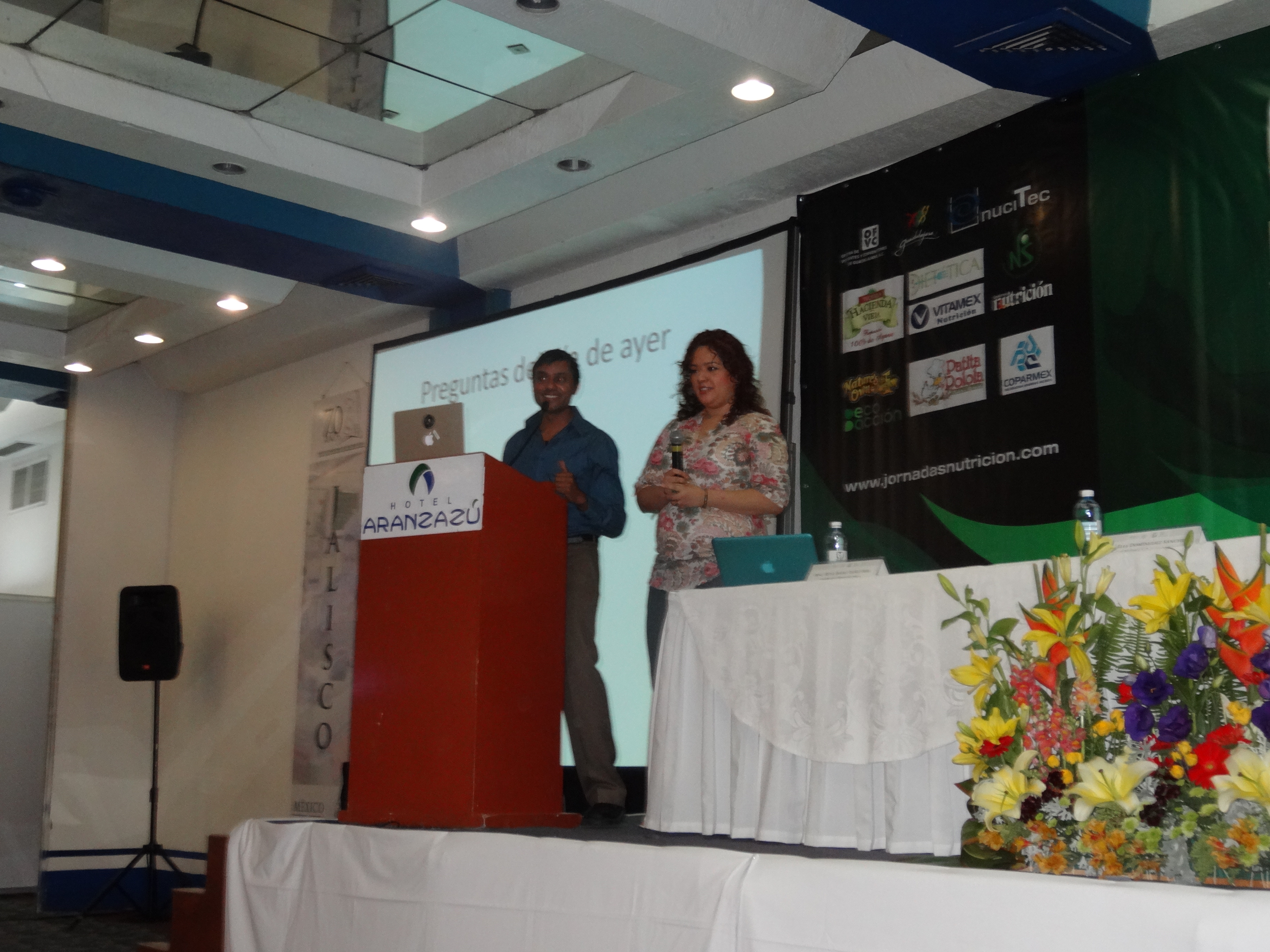
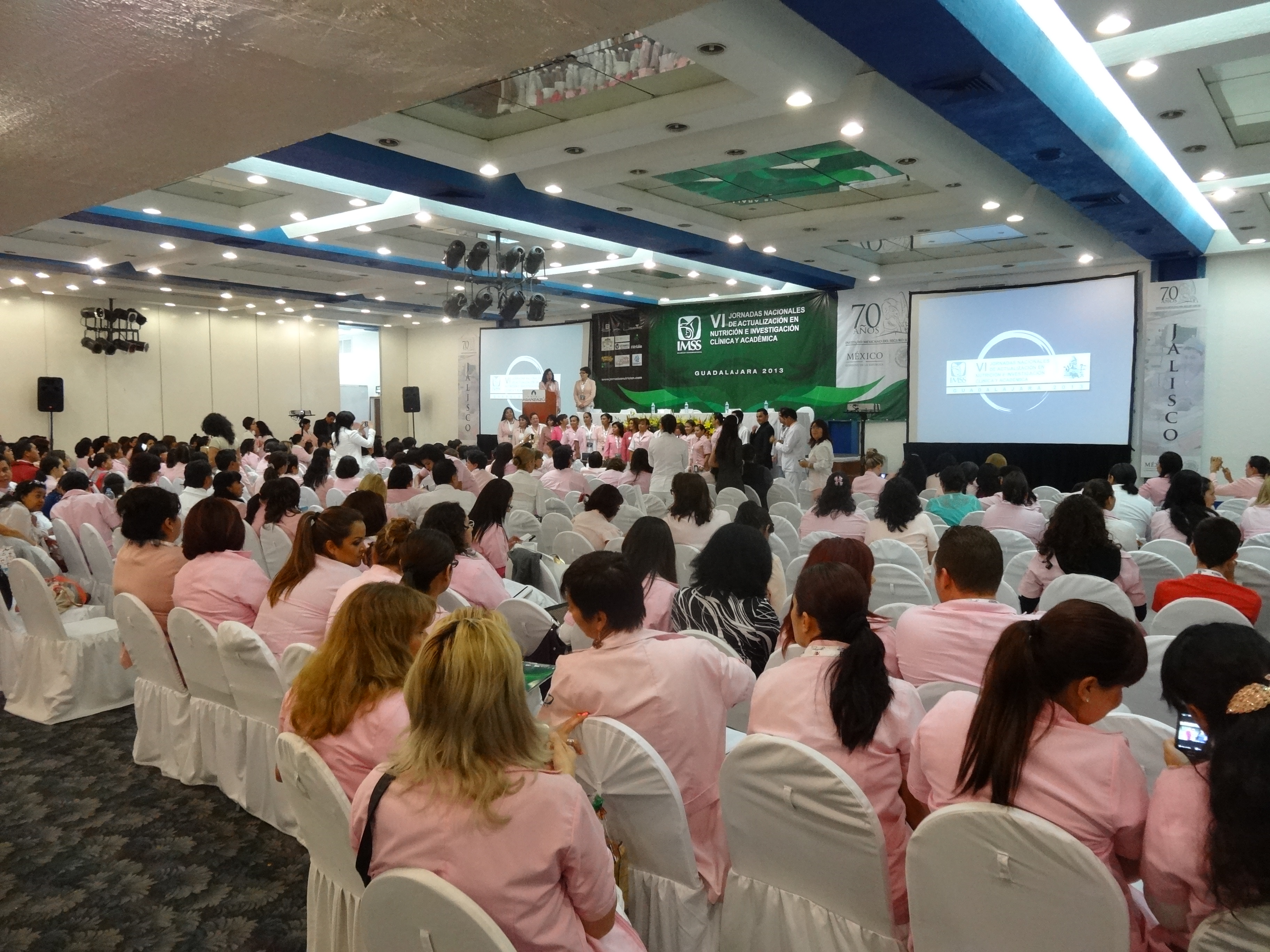
And Dr. Tushar delivered a lecture in Mexico to 500 nutritionists earlier in the year.DSC01174DSC01177

Pre-Jivdaya Day activities initiated by members of the new Ahimsak Eco-Vegan Committee

It was a beautiful Thanksgiving Holiday weekend here in the Bay area, with a lot to be thankful for. This year the JAINA Executive Committee approved our new committee, the Ahimsak Eco-Vegan Committee. Many of us who have been vegan for a long time now have a formal structure supporting our initiatives. We just kicked off Jivdaya Day, as we’ve named Thanksgiving in our community with a campaign for a 30 day compassion challenge and are hoping centers around the US and Canada will initiate activities.  A lot of activities have already occurred!

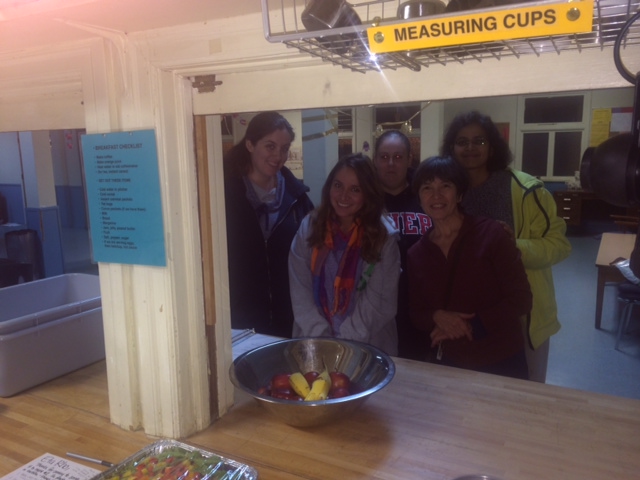
Here in Berkeley, we offered Beyond Meat as a vegan option to a homeless shelter serving homeless teenagers on Nov 26. While the main cook, our friend who is vegetarian,  thought she should serve chicken, as she found that in the past they didn’t like tofu, she was open to trying something different.  We found that the kids were willing to try to Beyond Meat even though they did not care for the simply prepared tofu. The three local college students who served the food also discovered that the kids liked the veggie meat and when dishing out the late night plates for teenagers that came in late, put some of it on each of the plates.   Our friend the chef, the volunteers and I are pictured here in the opening of the kitchen where the kids were served.  Next Sunday we’ll cook a fully vegan meal  with chili, cornbread and gingerbread! YEAHpic

Vegan Jain Profiles: Shilpa, Keyur and family

As part of the paryushan program at JCNC, Shilpa and Keyur discuss their journey to veganism during paryushan for reasons of nonviolence  and elaborate the benefits to their health and those of their children. Keyur lost weight, Shilpa reversed an early tendency to diabetes, and the children have avoided ear infections. They’re clearly full of energy, growing and thriving on a fully vegan diet. Keyur makes the point that the very same approaches they use to explain to the   children why they vegan are important for those parents raising their children vegan.

Video

Vegan Jain Profiles: Pravin Shah, JAINA Education committee chair

JAINA Education Leader Pravin Shah was recorded this week while in London, where he was invited to give talks for Paryushan. Here we have two talks in English and one in Gujarati on his personal decision to become vegan after visiting a dairy farm and discusses the decrease in his cholesterol that resulted. He also sicusses the philosophical basis for veganism in Jain philosophy and practice. One is “parapagraho jivanam“, all life is interdependent, and the other enjoins the practitioner to consume only those items known to him or her to be ahimsak. Thanks to Minal, Mahersh, Nishma, and Sagar from the JAIN vegans UK for producing these recordings!
1. Profile  (Gujarati) – http://youtu.be/4ZJHbtgkIj0
2. Profile (English): http://youtu.be/sEgBMc9-9QM
3. Interview (English): http://youtu.be/UcyVVJAByio

Vegan for Paryushan

Go Vegan for Paryushan: A Plea from the Jain Vegans of the UK

Paryushan, the Jain festival of penance and forgiveness will begin in a few weeks. During the festival, followers of the Jain faith traditionally fastrepent, and forgive. For lay members, fasting often entails avoiding activities that are traditionally thought to cause more himsa than others, such as eating root vegetables or eating after sunset.
As someone who has come across the activities of the Jain Vegans Working Group, you will be aware of how our consumption of dairy leads to the immense suffering and killing of innocent cows.
  • Dairy cows are forcefully impregnated by means of artificial insemination to stimulate milk production.
  • Calves are immediately separated from their mothers at birth.
  • Male calves are killed at birth or sold on to be reared for veal or beef (they are of no other value to a dairy farmer)
  • Dairy cows will normally get killed before the age of 10, even though they could live up to 20 years if given the chance.  This is because her milk yield drop, and it is not does not make financial sense for a farmer to keep her alive when he is able to obtain milk from her younger (and more productive) daughters.
In light of this, it seems reasonable that during Paryushan we as Jains should acknowledge and reflect on the suffering we have imposed on cows as a result of our consumption of dairy products.
Inline images 2
Paryushan offers a perfect time to reflect on the actions we undertake in our daily lives and to make changes to our dietary habits.  So, in addition to the other activities you undertake, why not consider giving up dairy products this Paryushan?
If you believe giving up dairy products this Paryushan is a good idea, please help spread the word.  Kindly forward this email on to friends and family, or spread this weblink via Facebook orTwitter.  Please let us know how you get along, and also consider making this image yourFacebook cover picture.
 More photos are on the next page–
Video

Sanjay’s JCNC presentation on Ahimsak Diet and Lifestyles

Based on the combined work of 15 Jain Center of Greater Boston volunteers and his own personal stories, Sanjay provides a compelling case for Jains to become vegan as the true expression of vegetarianism based on ahimsa.